

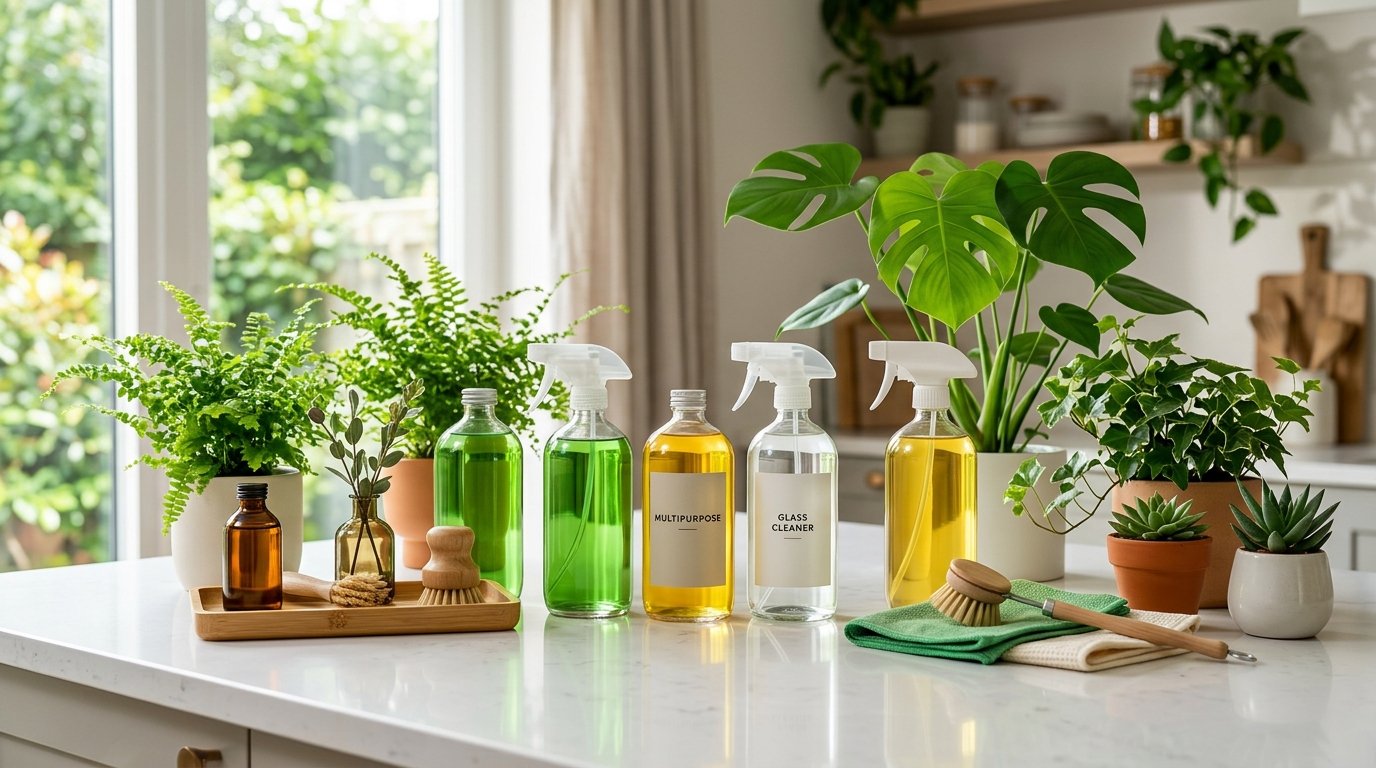
A customized cleaning plan helps your commercial space stay healthy, presentable, and compliant without paying for services you don’t need. Below, we’ll walk through a practical process for building a cleaning plan that matches your building type, traffic patterns, and priorities—especially if you’re looking for eco-conscious options in New Jersey.
Whether you manage an office, medical suite, school, or retail space, a thoughtful plan makes cleaning more consistent, measurable, and easier to adjust over time.
What Is A Customized Cleaning Plan For A Commercial Space?
A customized cleaning plan is a written schedule and checklist that defines what gets cleaned, how often, what products and methods are used, and who is responsible for each task. It’s built around your space’s real-world needs—like foot traffic, restrooms, occupancy, and industry requirements—so cleaning stays reliable and cost-effective.
If you’re comparing options for commercial cleaning services, asking how a provider builds and documents a customized cleaning plan is one of the fastest ways to understand their quality and consistency.
How Do You Create A Customized Cleaning Plan For Your Unique Commercial Space?
To create a customized cleaning plan, start by identifying your highest-use areas, the surfaces and flooring types in each zone, and any compliance or safety requirements. Then set frequencies (daily, weekly, monthly), choose eco-friendly products that fit the space, and document a checklist that can be inspected and updated as needs change.
For businesses evaluating commercial cleaning near South Bound Brook, NJ, this kind of structured plan helps prevent missed tasks, reduces surprise issues (like restroom odor or dirty entryways), and makes service easy to scale.
Step 1: Map Your Space Into Cleaning Zones
Start by breaking the building into zones that behave differently. A single “clean the office” instruction is too vague for most commercial environments.
- Entrances and lobbies (highest visibility and soil load)
- Work areas (desks, shared equipment, break rooms)
- Restrooms (hygiene-critical, often needs daily attention)
- High-touch points (door handles, switches, railings)
- Special-use rooms (exam rooms, classrooms, storage, back-of-house)
Zoning makes it easier to assign frequency and to spot where a tailored office cleaning approach differs from, say, a medical or retail facility.
Step 2: Identify Traffic Patterns And “Problem Times”
Cleaning needs aren’t just about square footage—they’re about what happens in the space. Note when your building is busiest (Monday mornings, lunch rush, after-school pickup) and where dirt accumulates first (entry mats, elevator areas, hallway corners).
This is where a customized cleaning plan prevents over-cleaning low-use areas while ensuring high-use zones stay consistently maintained.
Step 3: List Surfaces, Materials, And Sensitivities
Make an inventory of key materials so the plan includes the right methods and avoids accidental damage. This also supports sustainable cleaning practices near South Bound Brook, NJ by matching products to surfaces instead of using harsh chemicals everywhere.
- Flooring: tile, vinyl, hardwood, laminate, carpet
- Fixtures: stainless steel, chrome, porcelain
- Touch surfaces: plastic, painted walls, glass partitions
- Special considerations: allergies, fragrance sensitivities, children, pets (for mixed-use buildings)
Which Tasks Should Be Daily, Weekly, Or Monthly In A Commercial Cleaning Plan?
Most commercial spaces need a layered schedule: daily tasks for hygiene and appearance, weekly tasks for buildup prevention, and monthly or quarterly work for deep maintenance. The exact mix depends on restrooms, occupancy, and flooring type, but using a tiered approach keeps the space consistently clean without unnecessary cost.
Common Daily Tasks (Appearance + Hygiene)
- Trash removal and liner replacement
- Restroom cleaning and restocking (soap, paper products)
- Spot-cleaning glass and fingerprints in high-visibility areas
- Sweep/vacuum high-traffic areas and entry points
- Disinfect high-touch points (as appropriate for your environment)
Common Weekly Tasks (Buildup Prevention)
- Damp mopping or machine cleaning hard floors
- More detailed break room cleaning (appliances, sinks, fronts of cabinets)
- Dusting vents, ledges, baseboards in active zones
- Interior glass and partition cleaning
Common Monthly Or Quarterly Tasks (Long-Term Care)
- Deep floor care and targeted stain treatment
- High dusting (tops of door frames, light fixtures)
- Detailed restroom descaling (as needed)
- Floor maintenance planning (strip/refinish cadence for certain floors)
If your building includes resilient flooring, long-term appearance often depends on periodic restorative work. In those cases, planning around floor stripping and refinishing options within our services can help you avoid sudden, disruptive “emergency” floor projects.
How Can Eco-Friendly Cleaning Serving New Jersey Fit Into A Commercial Plan?
Eco-friendly cleaning serving New Jersey works best when it’s planned, not improvised. A sustainable approach isn’t just swapping products; it’s choosing the right products for the right soils, using correct dilution, and reducing waste through repeatable procedures.
Practical Ways To Build Sustainability Into Your Plan
- Specify non-toxic or low-odor products for sensitive environments
- Use color-coded microfiber systems to reduce cross-contamination and waste
- Prioritize entryway protection (mats, routine vacuuming) to reduce chemical use later
- Document dilution and dwell time so products work effectively without overuse
When you’re working with an eco-conscious provider, it’s also reasonable to ask for a brief explanation of what products are used where—and why—so your customized cleaning plan stays consistent across different staff and shifts.
What Should You Ask A Commercial Cleaner Before Finalizing Your Plan?
A good plan is measurable and easy to manage. Before you finalize service, clarify how the plan will be executed and checked.
- How do you document a tailored office cleaning checklist for our space?
- What quality checks are done, and how often?
- How do you handle special requests or seasonal needs?
- What’s included versus add-on work?
- Are your service expectations and responsibilities written down?
It also helps to review service policies up front so there are no surprises later. You can learn more by reading the terms of services and how expectations are handled.
How Often Should You Review And Update A Customized Cleaning Plan?
Most businesses should revisit their customized cleaning plan every 3–6 months, or sooner if occupancy changes, seasons shift, or you notice recurring issues. Updates can be as simple as increasing entryway attention in winter, adding a mid-week restroom touch-up, or adjusting product choices for a new floor finish.
If you’re not sure what needs to change, start by tracking complaints and observations (odor, dusty corners, dirty glass, sticky floors). Those patterns usually point directly to a frequency or method mismatch.
Next Steps: Get A Cleaning Plan That Fits Your Building And Your Schedule
If you want help building a customized cleaning plan that matches your space, scheduling needs, and preference for eco-friendly methods, explore our services to see what’s available for homes and commercial facilities. You can also learn more about our approach on the about us page.
To talk through your facility and set up a plan, call (848) 216-6677 or request a time through schedule a call. If you’d rather send your details first, reach out via contact us so we can recommend a practical schedule and scope.
Common Questions About Building A Customized Cleaning Plan For Commercial Spaces
Is a customized cleaning plan worth it for a small office?
Yes. Even small offices have high-touch points, restrooms, and entryways that get dirty at different rates. A customized cleaning plan prevents paying for unnecessary tasks while ensuring the areas that affect health and first impressions are handled consistently, especially with tailored office cleaning schedules.
How do I choose cleaning frequencies for commercial cleaning near South Bound Brook, NJ?
Start with occupancy, restroom usage, and entryway traffic. Most offices need daily restroom and trash service, plus weekly detail work. Retail, medical, and school settings often need higher frequency. A walkthrough and zoning approach makes the schedule realistic and helps avoid gaps.
Can eco-friendly cleaning serving New Jersey still disinfect effectively?
It can, as long as the plan matches the product to the task and follows the correct contact time. Many facilities use a combination: eco-friendly daily cleaners for general cleaning and targeted disinfectants for high-touch or higher-risk zones. The key is documenting methods in the plan.
What should be included in a commercial cleaning checklist?
A strong checklist includes zones, tasks, frequency, products or methods, and inspection points. It should cover restrooms, touchpoints, floors, glass, trash, and break areas at a minimum. For specialty spaces, include any industry-specific needs so the customized cleaning plan is complete.
Where can I find more answers about scheduling and service expectations?
If you have questions about timing, scope, or what to expect from ongoing service, the frequently asked questions page is a helpful place to start. Reviewing it alongside your proposed customized cleaning plan can make decisions clearer and reduce back-and-forth later.